
"Blue Haiti coffee"
200 article(s) found
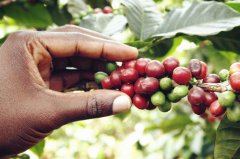
Haitian Coffee individual Coffee Coffee Bean growing area
Haiti is trying to produce some high-quality coffee, despite well-known problems and fluctuating coffee quality from politically troubled countries. Most of the coffee produced in Haiti is grown in a purely natural state, which is not intentional but the result of material shortage because farmers are too poor to buy it.
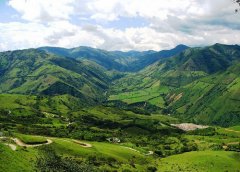
Haitian Coffee the main coffee growing area in Haiti is in the north of the country
Boutique coffee is fresh coffee. Whether it's food or drink, of course, the fresh the better, and so is boutique coffee. High-quality coffee should keep the coffee beans fresh before making, including the preservation of baked beans, and grind the coffee beans into powder before making, which is also to retain its original and best flavor. And the way of making hand-made coffee is such a way to make high-quality coffee.
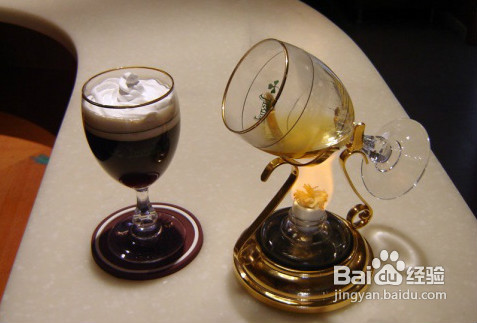
An introduction to the unique sour, bitter, sweet and mellow taste of Jamaican Blue Mountain Coffee.
The earliest coffee on the island of Jamaica came from Haiti in Latin America in 1728. By 1790, some coffee farmers among the refugees in exile from Haiti had settled in the Blue Mountains and brought coffee-growing technology here. In 1838, Jamaica abolished slavery and allowed liberated slaves to cultivate their own land. Free slaves moved to the mountains to specialize in planting.

Jamaica Silver Mountain Coffee Estate Flavor Taste Blue Mountain Coffee Introduction
Only after passing through this series of stringent standards set by the Jamaica Coffee Industry Board can coffee receive a government certificate and officially bear the name Blue Mountain. Coffee first appeared on the island of Jamaica in 1728 from Latin America's Haiti. By 1790, refugees from Haiti included coffee farmers who settled in the Blue Mountains and planted coffee seeds

CAFFE PASCUCCI achieves "the most ethical coffee brand in Europe"
As one of the most material-poor countries in the world, Haiti is a world-renowned producer of coffee beans. Most of the coffee produced in Haiti is grown in a purely natural state, which is not intentional but the result of material shortages. The reason is that coffee farmers are too poor to buy fungicides, insecticides and fertilizers. On the contrary, this makes coffee produced in Haiti the most natural.

The processing Technology, Weather and Climate of Jamaica Blue Mountain Coffee
The earliest coffee on the island of Jamaica came from Haiti in Latin America in 1728. By 1790, some coffee farmers among the refugees in exile from Haiti had settled in the Blue Mountains and brought coffee-growing technology here. In 1838, Jamaica abolished slavery and allowed liberated slaves to cultivate their own land. Free slaves moved to the mountains to specialize in planting.

A brief introduction to Jamaica Blue Mountain Coffee. Is Jamaica Blue Mountain Coffee healthy?
Following Cafe (Wechat official account vdailycom) discovered that the Cafe Beautiful opened its own shop healthy black coffee the first coffee on the island of Jamaica came from Haiti in Latin America in 1728. By 1790, some coffee farmers among the refugees in exile from Haiti had settled in the Blue Mountains and brought coffee-growing technology here. In 1838, teeth were bought

Introduction to Blue Mountain Coffee in the producing area of Silver Mountain Coffee Manor in Jamaica
The earliest coffee on the island of Jamaica came from Haiti in Latin America in 1728. By 1790, some coffee farmers among the refugees in exile from Haiti had settled in the Blue Mountains and brought coffee-growing technology here. In 1838, Jamaica abolished slavery and allowed liberated slaves to cultivate their own land. Free slaves moved to the mountains to specialize in planting.
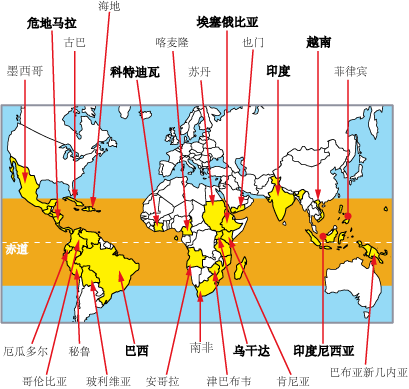
Coffee producing area, 53 coffee producing areas, Haiti coffee producing area, Haiti coffee producing area.
Haiti is trying to produce some high-quality coffee, despite well-known problems and fluctuating coffee quality from politically troubled countries. Most of the coffee produced in Haidi is grown in a pure natural state, which is not intentional but the result of material shortage, because farmers are too poor.

Fragrant Jamaican Coffee Flavor introduction to Cliff Manor Jamaican Coffee
The earliest coffee on the island of Jamaica came from Haiti in Latin America in 1728. By 1790, some coffee farmers among the refugees in exile from Haiti had settled in the Blue Mountains and brought coffee-growing technology here. In 1838, Jamaica abolished slavery and allowed liberated slaves to cultivate their own land. Free slaves moved to the mountains to specialize in planting.

Introduction to the characteristics of the manor producing area of Jamaican boutique coffee with rich flavor and mellow taste
Located in the northwest of the Caribbean Sea, Jamaica is an island country at 17.42 degrees north latitude and 18.31 degrees north longitude and 76.11 degrees to 78.22 degrees west longitude. [1] the island of Jamaica is 234km long from east to west and 82km wide from north to south, with a territorial area of 11420 square kilometers, of which the land area is 10991 square kilometers. To the east across the Strait of Jamaica, facing Haiti, about 140 kilometers north of Cuba. The third largest in the Caribbean

Haitian coffee boutique coffee flavor coffee beans
Despite well-known problems and fluctuating coffee quality from politically troubled lands, Haiti is still trying to produce some high-quality coffee. Most of the coffee produced in Haiti is grown in a purely natural state, which is not intentional but the result of material shortage, because farmers are too poor to buy sterilization.

Boutique Coffee Bean Manor introduction-- Haitian Coffee Origin
Despite well-known problems and fluctuating coffee quality from politically troubled lands, Haiti is still trying to produce some high-quality coffee. Most of the coffee produced in Haiti is grown in pure natural form, which is not intentional but the result of material shortage, because farmers are too poor to buy sterilization.

The quality of Haitian coffee fluctuates from time to time.
Despite well-known problems and fluctuating coffee quality from politically troubled lands, Haiti is still trying to produce some high-quality coffee. Most of the coffee produced in Haiti is grown in a purely natural state, which is not intentional but the result of material shortage, because farmers are too poor to buy sterilization.
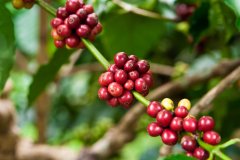
Haitian coffee is full-grained, rich in flavor, medium to low acidity and mild in taste.
Despite well-known problems and fluctuating coffee quality from politically troubled lands, Haiti is still trying to produce some high-quality coffee. Most of the coffee produced in Haiti is grown in a purely natural state, which is not intentional but the result of material shortage, because farmers are too poor to buy sterilization.

Haitian coffee has full grains, rich flavor, medium to low acidity and mild taste.
Despite well-known problems and fluctuating coffee quality from politically troubled lands, Haiti is still trying to produce some high-quality coffee. Most of the coffee produced in Haiti is grown in a purely natural state, which is not intentional but the result of material shortage, because farmers are too poor to buy sterilization.
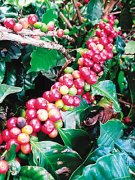
Haitian coffee has full grains, rich flavor, medium to low acidity and mild taste.
Despite well-known problems and fluctuating coffee quality from politically troubled lands, Haiti is still trying to produce some high-quality coffee. Most of the coffee produced in Haiti is grown in a purely natural state, which is not intentional but the result of material shortage, because farmers are too poor to buy sterilization.

Description of bitter and sweet flavor of Jamaican coffee beans introduction to the method of regional treatment of varieties produced by grinding scale
The earliest coffee on the island of Jamaica came from Haiti in Latin America in 1728. By 1790, some coffee farmers among the refugees in exile from Haiti had settled in the Blue Mountains and brought coffee-growing technology here. In 1838, Jamaica abolished slavery and allowed liberated slaves to cultivate their own land. Free slaves moved to the mountains to specialize in planting.

Puerto Rico coffee Dominican coffee Haiti coffee Cuban coffee Caribbean coffee beans
Fine coffee is fresh coffee. Whether it's food or drink, the fresher the better, and so is specialty coffee. Coffee beans should be kept fresh before making fine coffee, including the preservation of roasted beans, and the coffee beans should be ground before making, which is also to retain its most original and best flavor. And hand brewed coffee making is such a way to make fine coffee